Is Your WordPress Site Being Used to Spread Malware? What the FBI's Gootloader Alert Means for Business Owners
- November 24, 2026
- Blogs
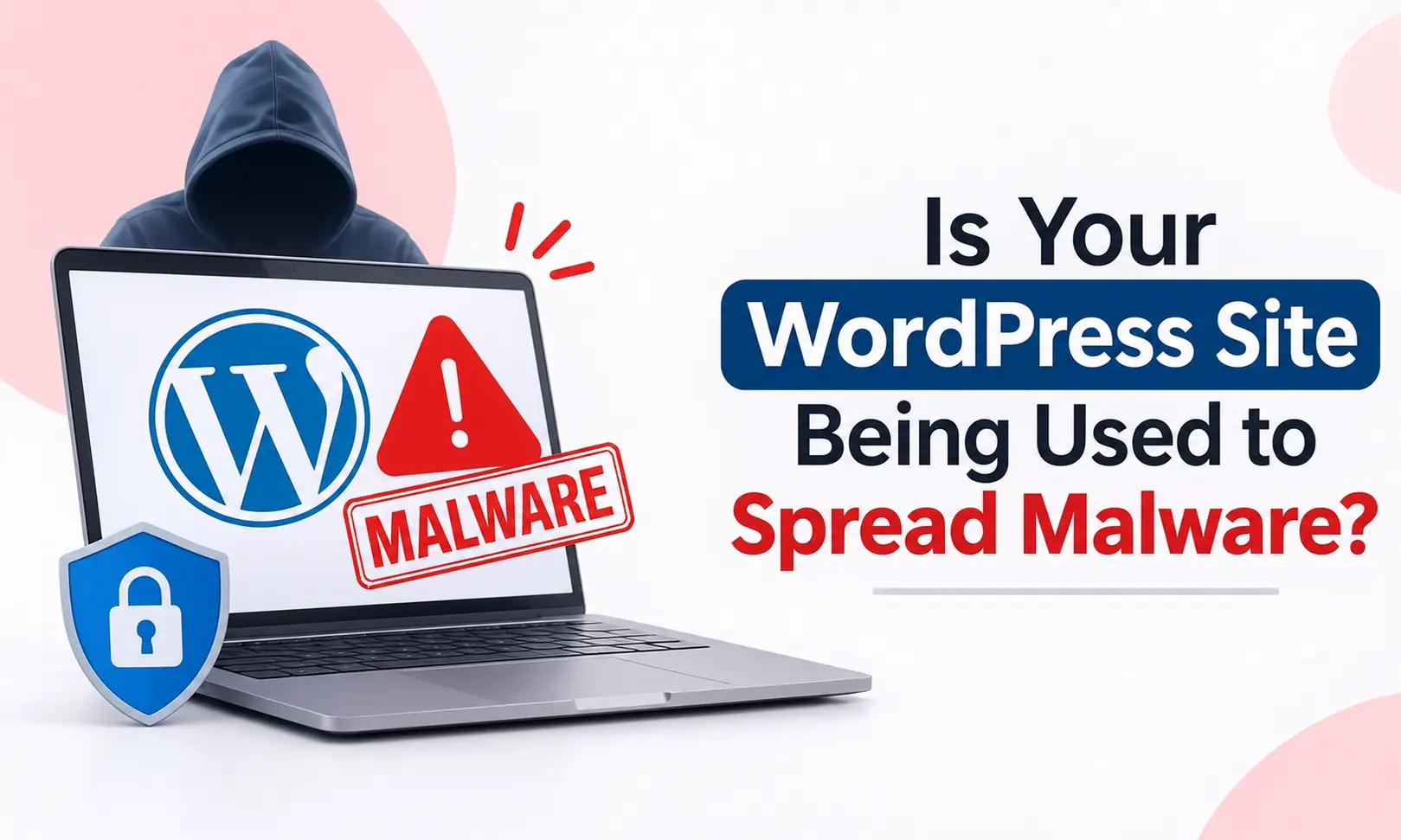
WordPress malware warning: Understanding the FBI's Gootloader alert and protecting your business website from cyber threats.
Let me ask you something. When did you last check what your website is really doing?
Not how it looks. Not how fast it loads. What it is actually doing when strangers land on it from Google.
That question suddenly matters a lot. On November 16, 2026, the FBI published a warning about a malware operation called Gootloader. It says more than 1,000 hacked WordPress sites were being used to trick people into infecting their own computers. Many of those site owners probably had no idea.
Let's walk through what happened, in plain language, and what you can do about it today.
So, what did the FBI actually say?
The alert (FLASH CC-111626-MW) says that as of October 2026, the FBI had identified:
- More than 1,000 infected WordPress websites
- 216 domains controlled by the Gootloader administrator
- Over $28 million in ransomware payments linked to this activity
That last number is the one to sit with. This wasn't a prank or a defaced homepage. It was a pipeline that started with a hacked website and ended with companies paying ransom.
What is Gootloader, in simple words?
Think of Gootloader as a doorway-opener. It doesn't usually destroy your files itself. Its job is to get a foot inside a victim's computer or network. Once that door is open, other criminals can walk in and deploy ransomware.
It has been around since 2020 and has changed its tricks over time. The latest version leans heavily on something many business owners never think about: other people's WordPress websites.
How does a hacked website help the attackers?
The technique is called SEO poisoning. Here's how it works, step by step:
- Attackers break into a WordPress site.
- They quietly add pages and hidden links packed with keywords. In this campaign, the keywords were niche legal searches, like contract terms for a particular jurisdiction.
- Those pages start showing up in Google, right next to genuine results.
- A lawyer searches for a template, clicks a result, and lands on what looks like a normal site.
- The visitor is nudged into downloading a file. That file is the malware.
The FBI says the compromised sites acted as lure pages, redirectors, traffic filters, or relay infrastructure. Attackers even filtered visitors by location, so the poisoned content reached exactly the people they wanted.
This campaign targeted U.S. attorneys and in-house legal teams. But the method works on anyone.
"But my site looks totally fine!"
This is the scary part. Site owners often see nothing wrong.
The malicious content is shown only to certain visitors, such as people arriving from search engines in specific regions. If you open your own site, you'll probably see your normal homepage. The attackers like it that way. A site owner who doesn't notice is a site owner who doesn't clean up.
How did attackers get in?
According to the FBI, the Gootloader administrator scanned WordPress sites looking for a file called xmlrpc.php, and later used stolen credentials to break in.
There's no movie-style hacking here. It's old, boring weaknesses:
- Outdated plugins and themes
- Weak or reused passwords
- Admin accounts with no extra login protection
- Features nobody uses but nobody turned off
Boring problems, expensive consequences.
Why this matters even if you're not a law firm
It's easy to read this and think, "We're not in legal services, so we're fine." Not quite.
- Your site could be hosting someone else's attack. Your visitors would be the victims, and your business name would be attached.
- Google can penalise a hacked site, which hurts your rankings and traffic.
- Customers lose trust fast when a website is flagged as unsafe.
- The attackers pick topics today. Tomorrow it could be any industry.
The lesson isn't "legal sites are in danger." It's that any neglected WordPress site is a potential tool for criminals.
Signs your site might be compromised
The FBI points to traces that show up in search data. Here's what to look for:
- Search queries in Google Search Console that have nothing to do with your business (especially legal or contract-related ones)
- Sudden new pages in Google's index that you never created
- Manual actions or security warnings from Google
- Unknown admin users in your WordPress dashboard
- Unexpected changes to plugin, theme, JavaScript, .htaccess or index files
If even one of these rings a bell, don't wait.
What to do right now: a simple checklist
The FBI's advice for WordPress administrators comes down to this:
- Update everything. WordPress core, plugins, and themes. Remove the ones you don't use.
- Turn on multi-factor authentication for every admin account.
- Restrict XML-RPC access if you don't need it.
- Limit PHP execution in folders where it isn't needed, like uploads.
- Use a web application firewall (WAF) to block malicious traffic.
- Monitor file changes. Compare your core files against official checksums and get alerted when something changes unexpectedly.
- Watch for odd traffic patterns and unusual search appearances.
- Clean up user accounts. Delete anyone who shouldn't be there.
If you think you're already infected, change all passwords, check for hidden admin accounts, and get the site professionally cleaned.
On the computer side, the FBI also suggests that Windows users disable unnecessary Windows Script Host, keep Defender and SmartScreen turned on, and avoid running unknown downloaded files. Tell your team: if a search result asks you to download a document or template from a random site, stop and think.
A note on the takedown
There's good news too. The U.S. Department of Justice announced it had removed Gootloader malware from over 100 servers, including compromised WordPress sites, and seized domains used to run the operation. That's a real blow, but it doesn't clean every infected site. Your site's safety is still your responsibility.
The bottom line
Website security often gets treated like insurance: you only think about it after something goes wrong. The FBI's alert is a reminder that a hacked site doesn't just hurt you. It can hurt your visitors, your customers, and your reputation, all without a single visible sign.
The good news is that most of the fixes are simple and cheap compared to a cleanup, or a ransom.
Not sure if your WordPress site is safe?
Don't wait for Google, or the FBI, to tell you. Contact Mindstory today for a website health and security check. We'll look for hidden malware, outdated plugins, risky settings, and suspicious pages, and give you a clear plan in plain English. Get in touch with Mindstory and let's make sure your website is working for you, not for someone else.
About us
We are Mindstory, Digital marketing company. We design thoughtful digital experiences and beautiful brand aesthetics.
Request a free quote
We offer professional SEO services that help websites increase their organic search score drastically in order to compete for the highest rankings even when it comes to highly competitive keywords.
More from our blog
View all stories